









Practical example
Supply Chain Management During a Recall
The widely used modular systems in the automotive industry offer cost advantages in both production and development, and also enable the creation of technically and qualitatively mature products by reducing the number of variants. On the other hand, modular systems require particularly rigorous component validation, as conceptual and production-specific errors affect an even larger product population. Potential recalls can then become a nightmare for companies.
Background
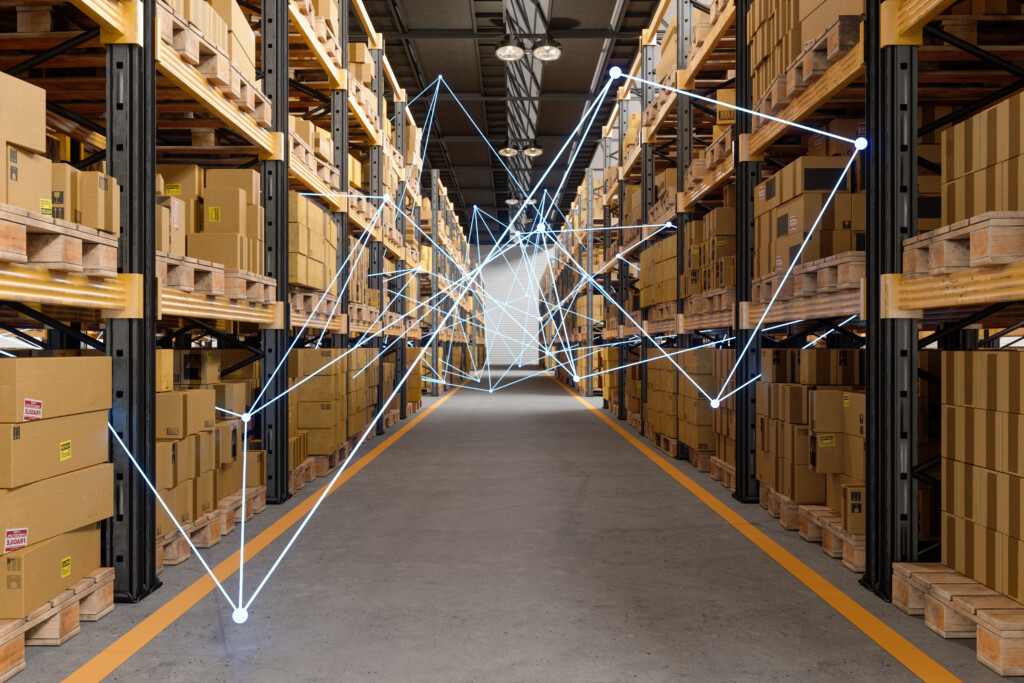
Our client, an automobile manufacturer, launched a global recall involving various engine variants and a large number of affected vehicles due to a design flaw in a modular component. At that time, the majority of the recalled components were no longer in series production at the supplier. The timely fulfillment of volatile demand for replacement parts was hampered by a lack of production capacity, long logistics routes, and a complex variant structure. In addition, series production had to be maintained throughout the entire period.
Specific task
Demand Management: Reliable forecasting of component requirements by variant, location, and time.
Production Planning: Demand-driven management of the entire supply chain, taking into account available capacity, product mix, substitution flexibility, and lead times.
KBC's Approach
Demand Management:
- Transparency regarding the at-risk population through the creation of a database of affected vehicles
- Transparency regarding the components installed in the vehicles, including the production date
- Information on the current location of all vehicles and their repair status
- Forecasting customer behavior based on market-specific regulatory requirements and historical data
Production Control:
- Transparency and tracking of subcontractor capacity and the availability of subcomponents
- Daily monitoring and control of production at the Tier 1 supplier.
- Transparency regarding the production capacities of individual lines and facilities to identify bottleneck processes and opportunities for increasing capacity
- Managing delivery routes to mitigate supply chain bottlenecks
Impact achieved
A recall is a stressful experience for everyone involved, but especially for the customer. Therefore, a smooth process is crucial to minimizing the frustration of affected customers. Long wait times due to a lack of replacement parts not only result in high short-term costs (e.g., from providing temporary transportation), but also have a very negative long-term impact on the company’s image.